17. Fog Module
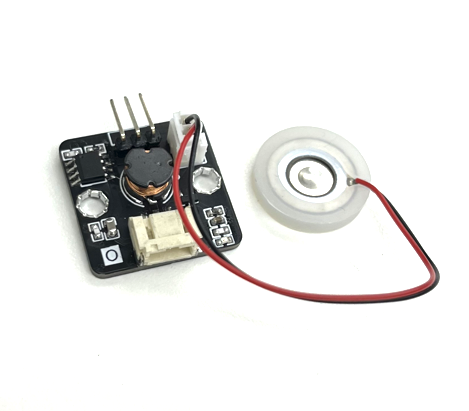
17.1. Introduction
It consists of a piezoelectric ceramic ring and metal disc. It converts electrical energy into mechanical energy. When it is placed on the surface of water, It vibrates against the water and creates fog.
17.2. The principle
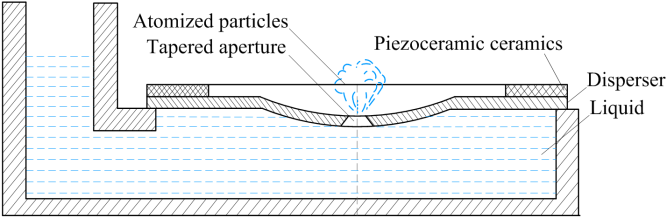
The ceramic ring can convert electrical energy into high-frequency mechanical vibrations. The ceramic ring forces the disc into vibration. As the disc vibrates at high frequency, it experiences small and periodic mechanical deformations. This periodic movement releases energy into the water in contact, which breaks the surface tension of the water and produces droplets. This process is atomization. The meshed disc absorbs water on one side and sprays it through the micropores. The bubble size is decided by the pore size.
17.3. Specification
Pin port type: PH2.0
Resonant frequency: 108-110kHz
Pore size: 4-5μm
Number of pores: 1100
Material of the disc: piezoelectric ceramic, 304 stainless steel
Weight: 1.92g
17.4. Pinout Diagram
| Pin | Function |
|---|---|
| G | Ground |
| V | Voltage Supply |
| S | Output |
17.5. Outlook and Dimension
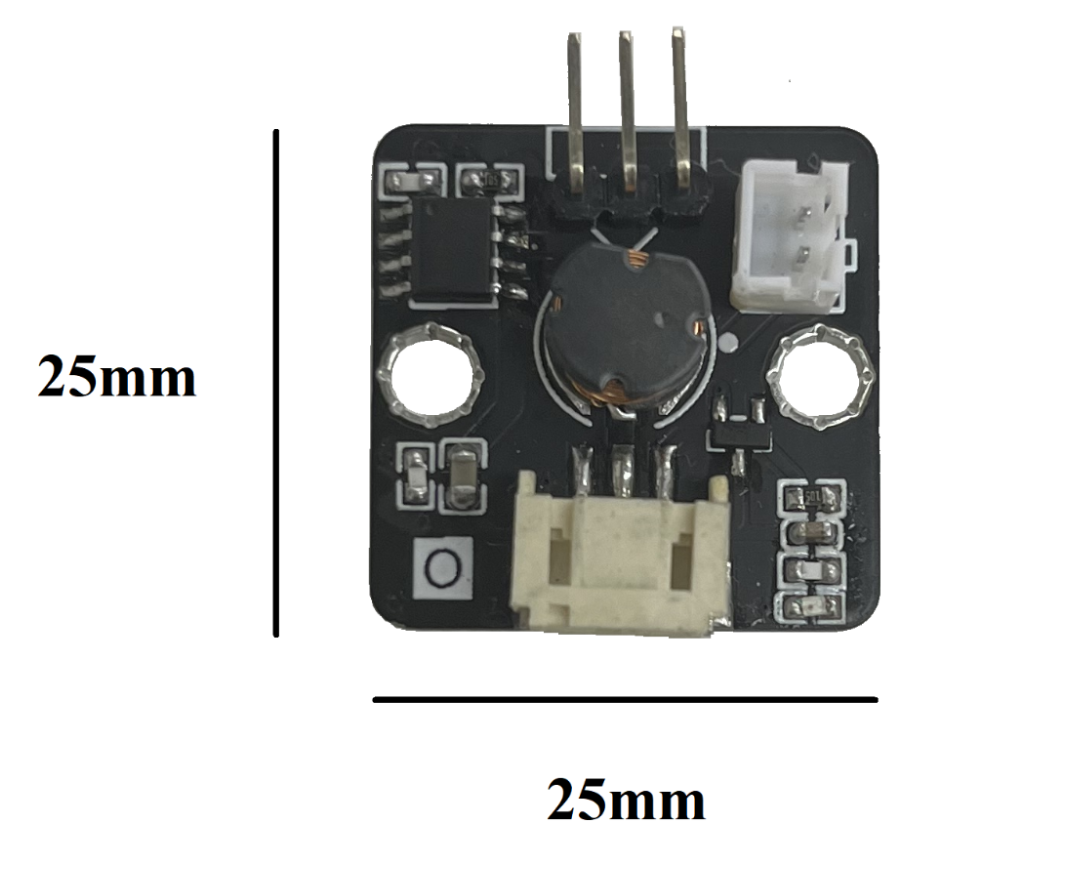 Size: 25mm X 25mm
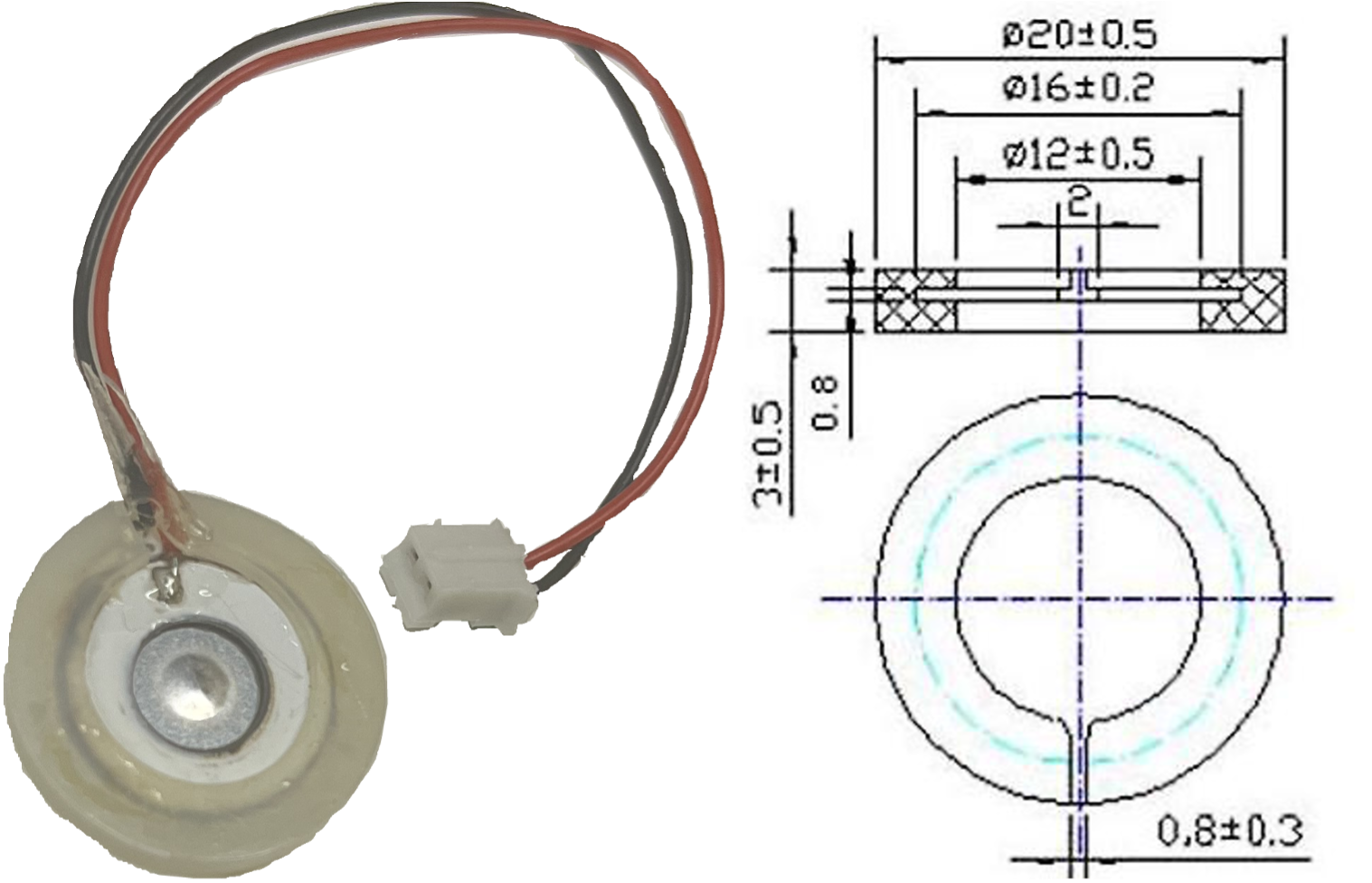 Diameter of silicone ring: 20mm
Thickness of apron: 3.5mm
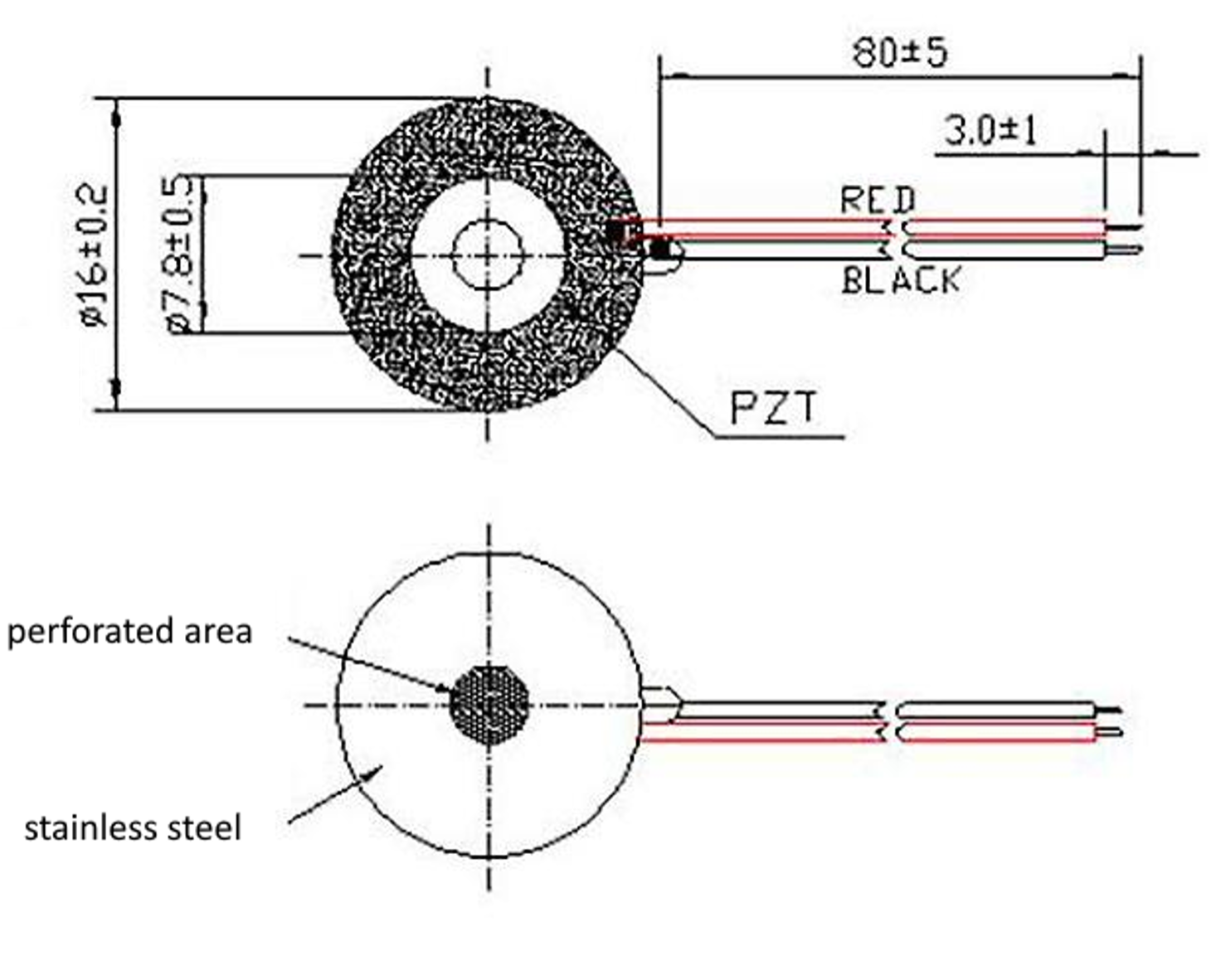 Diameter of metal plate: 16mm
Length of wire: 10cm
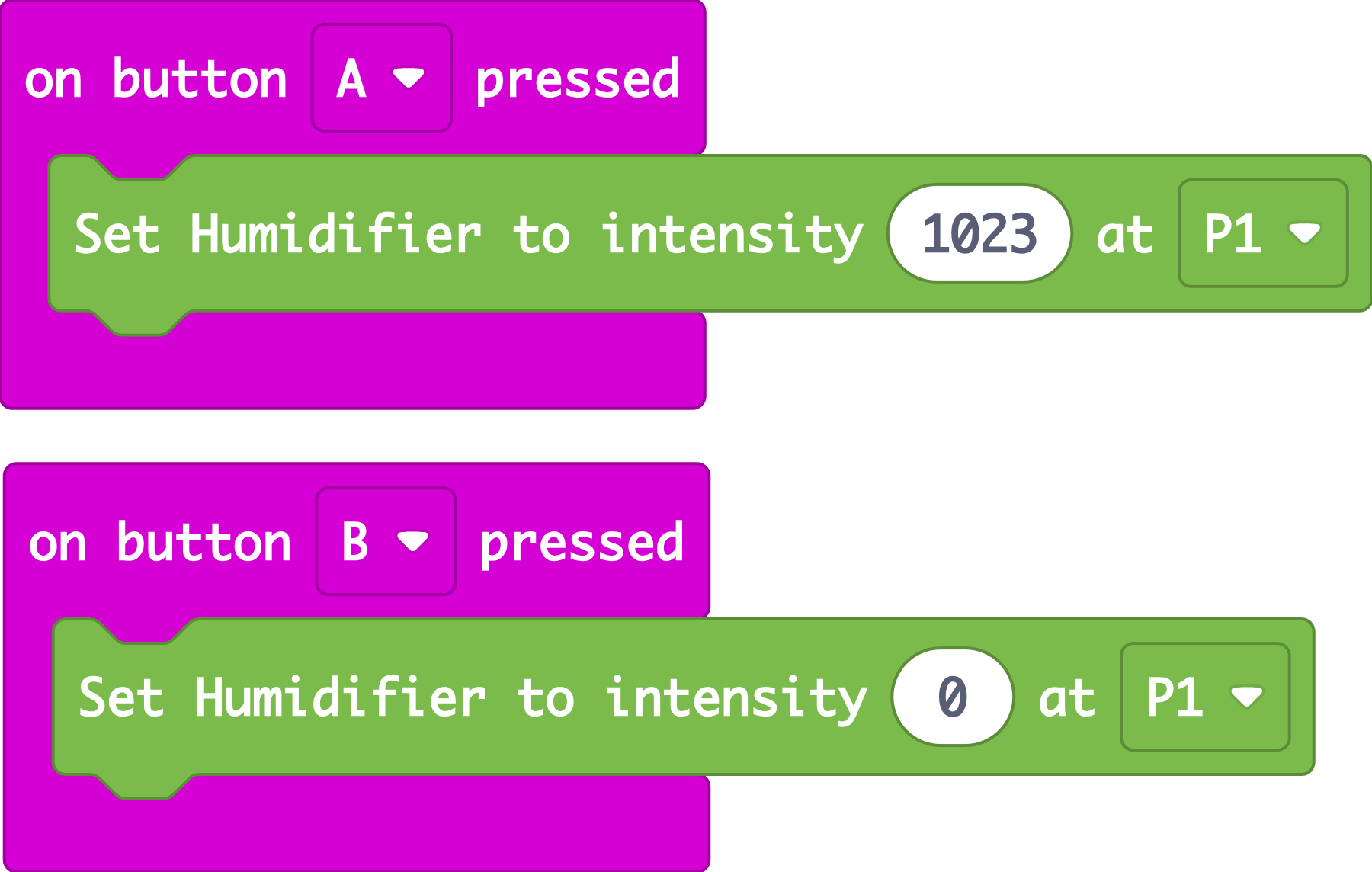
17.6. Quick to Start/Sample
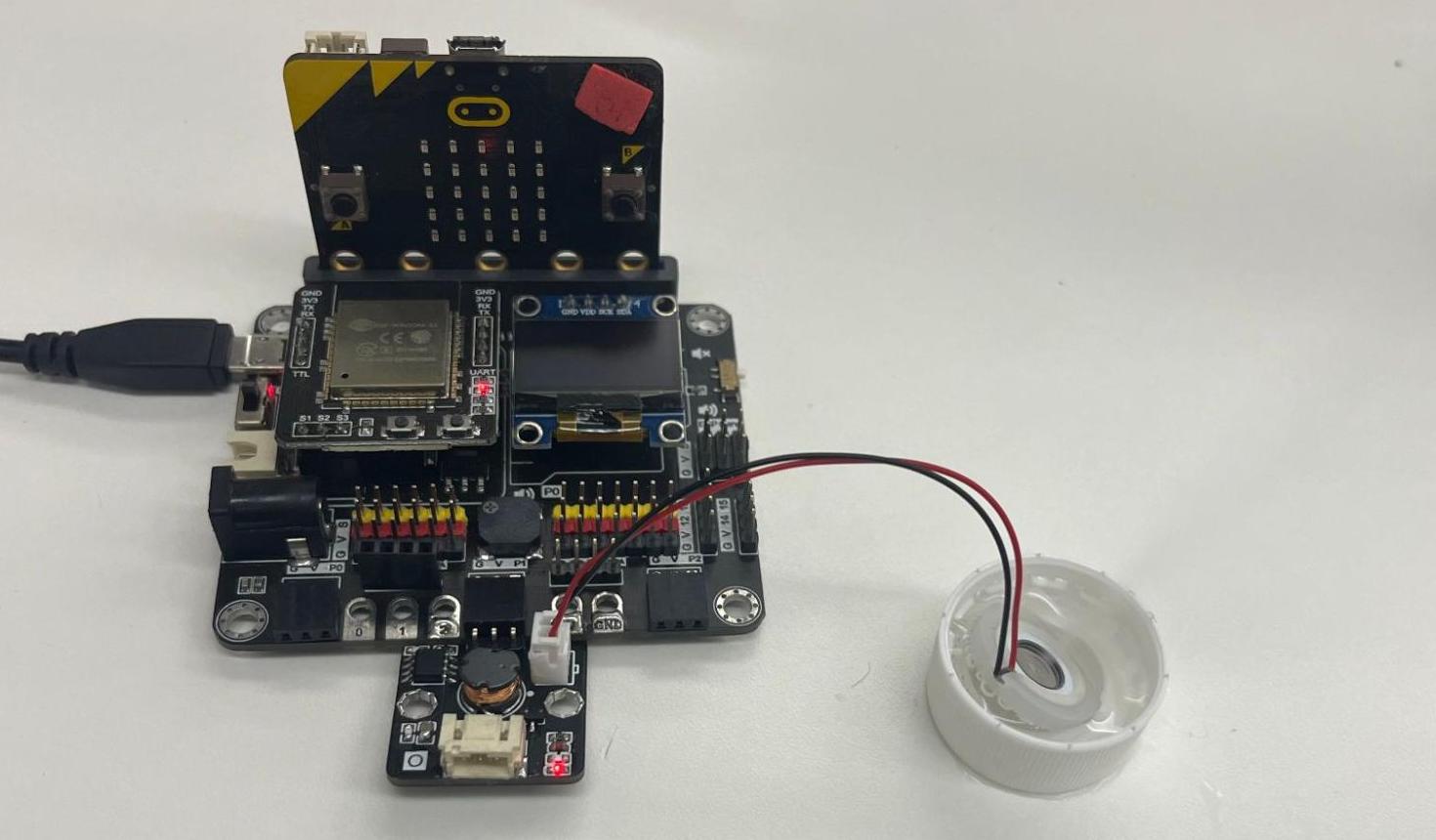
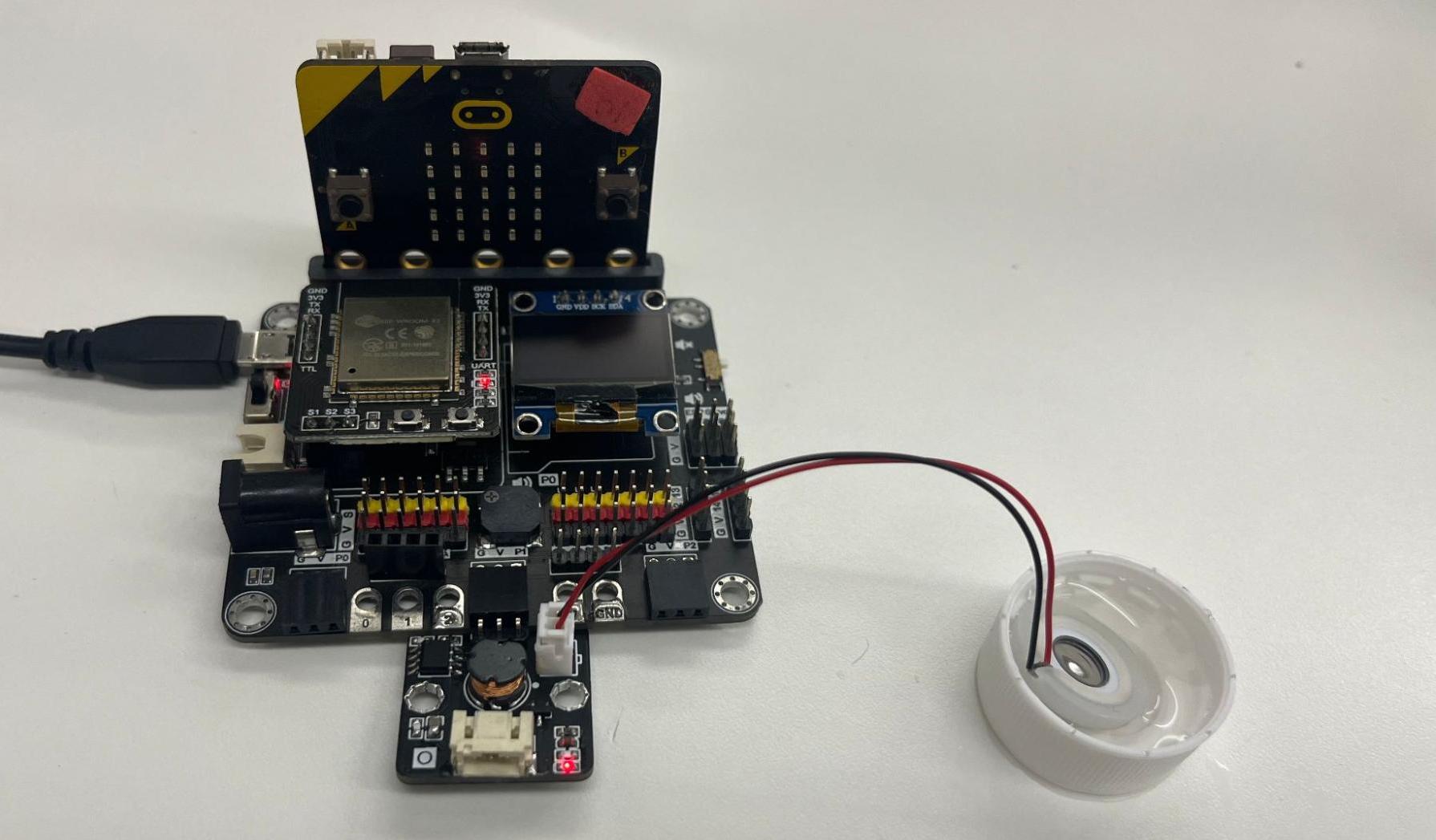
Connect the fog module to development board (direct plugin or using wire)
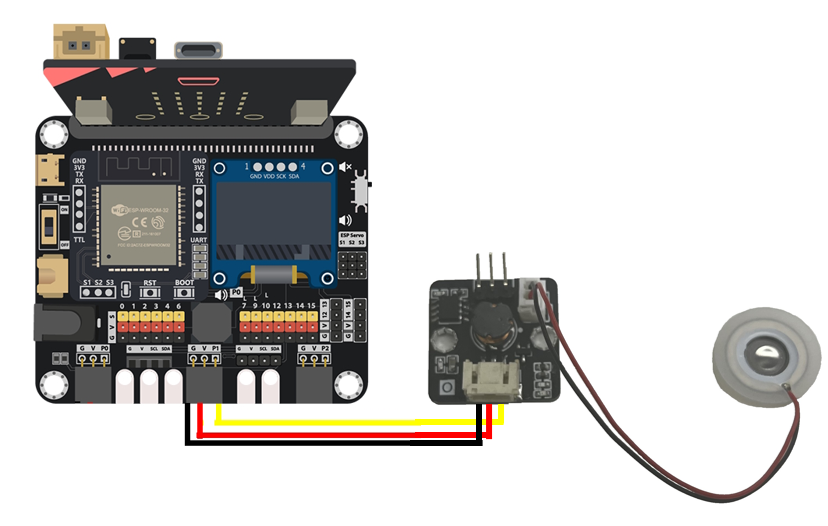
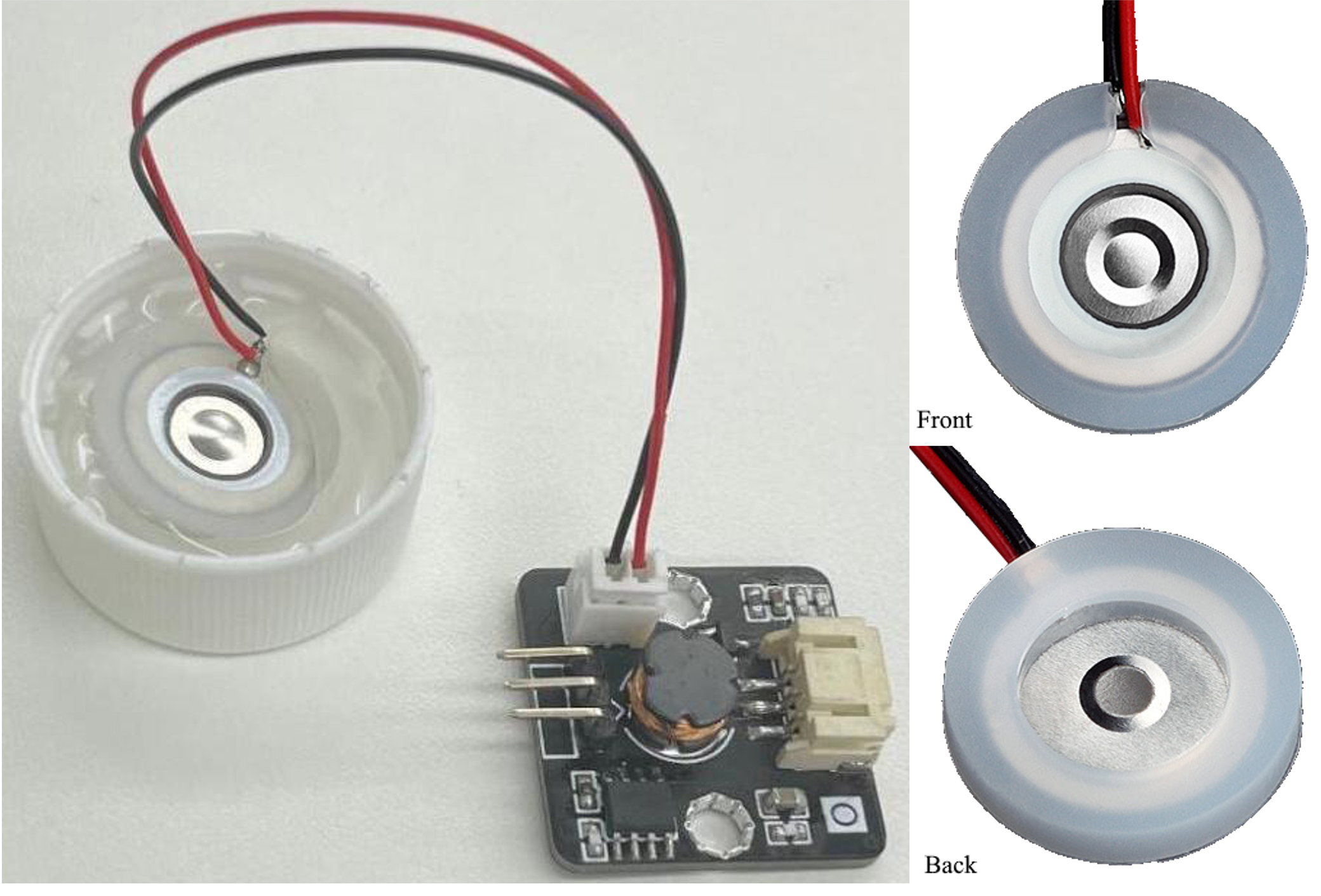
Place the disc on the surface of water. The side with piezoelectric ceramic should face upwards.
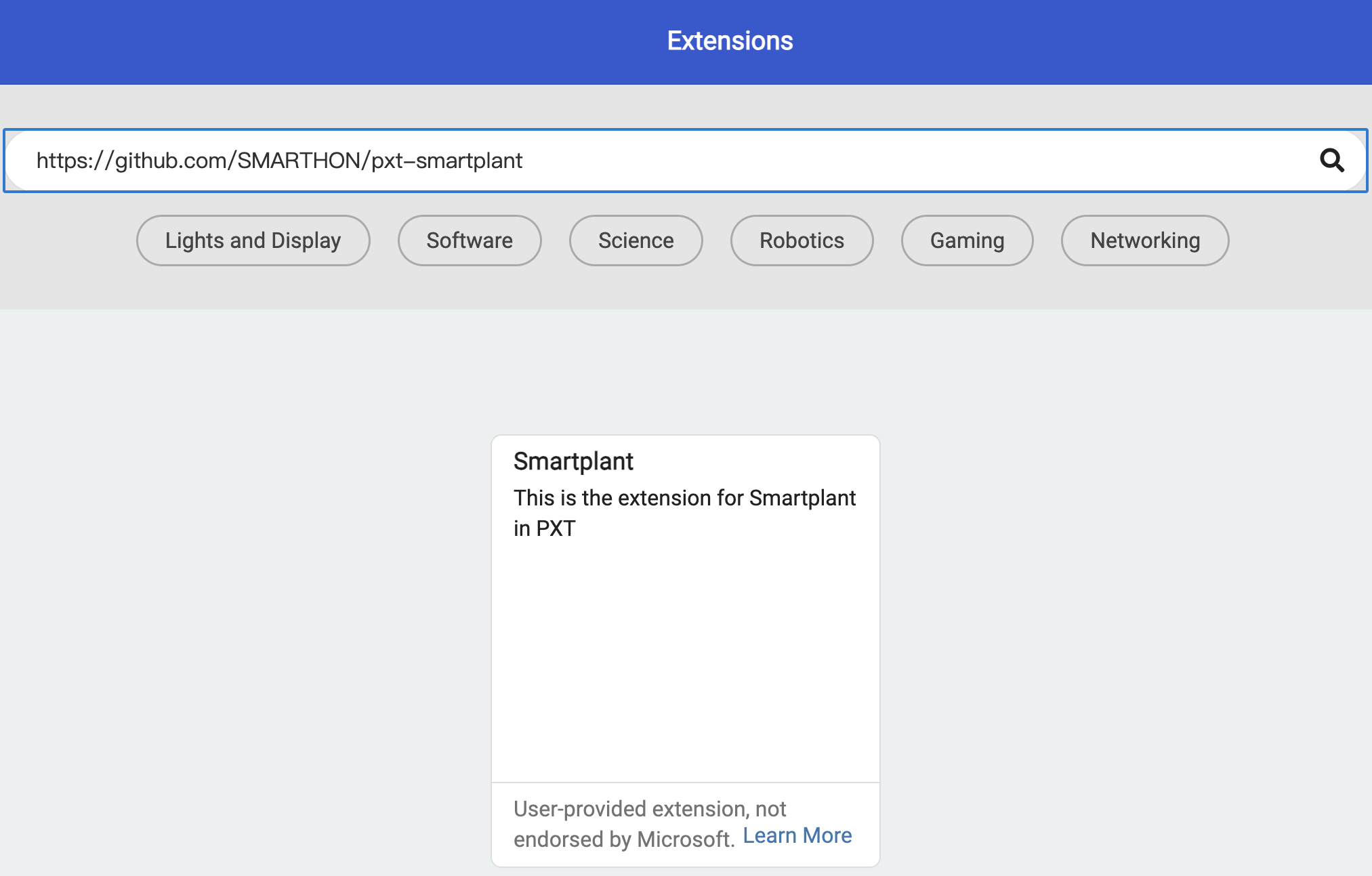
Open Makecode, using the https://github.com/SMARTHON/pxt-smartplant PXT
Show the light intensity on the OLED
17.8. FAQ
Why is there no fog dispersed?
Check whether the disc is reversed. The side with piezoelectric ceramic should face upwards to disperse fog.
Check whether there is water on the side with piezoelectric ceramic. When there is water above the disc, the fog will be blocked by water.